
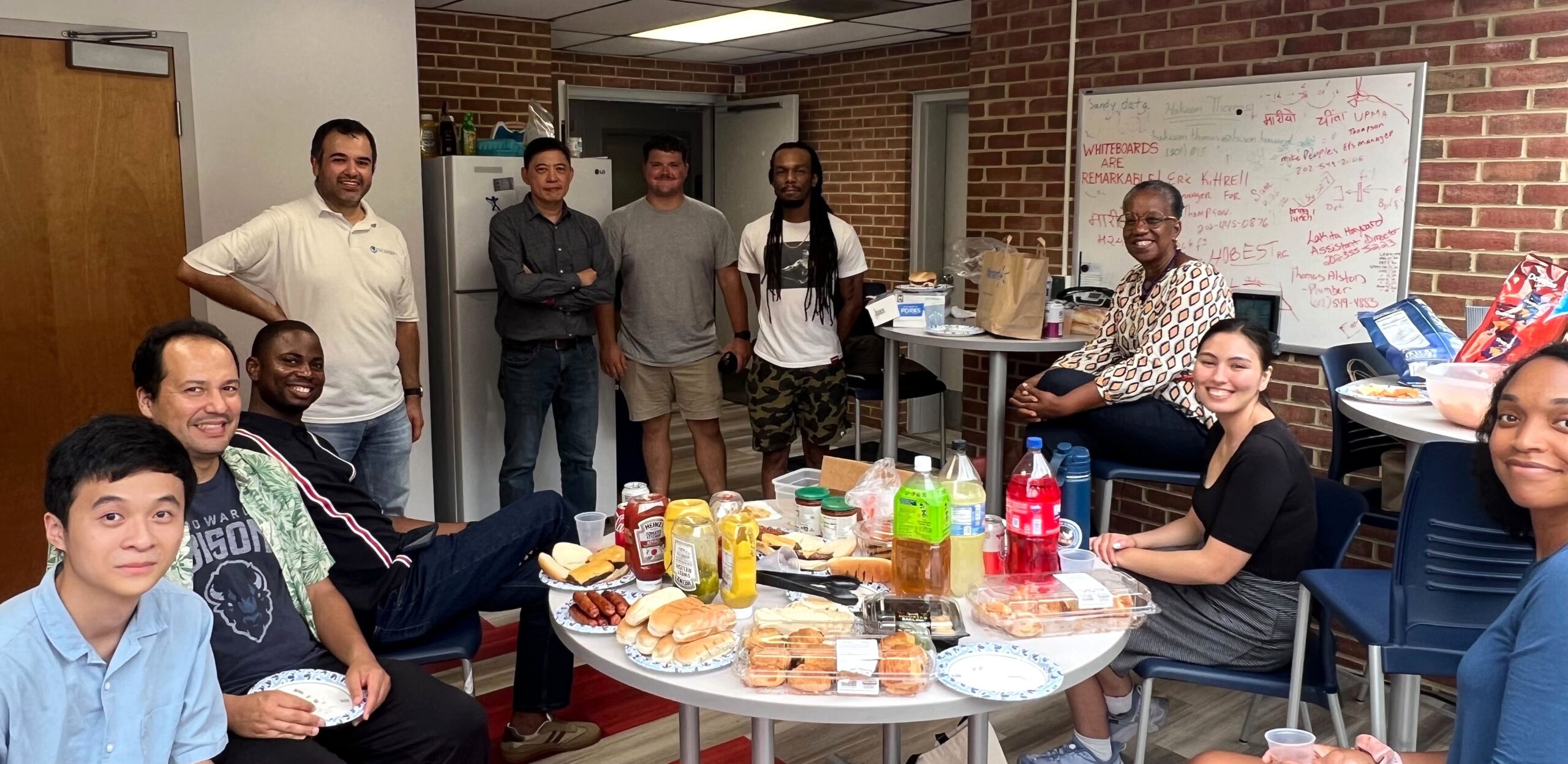
On Friday, September 11th 2026, the Howard University Beltsville Campus (HUBC) welcomed over 15 guests including incoming master students, professors, and post-doctoral researchers from the Howard University Graduate Program in Atmospheric Sciences (HUPAS) to kick off the 2026 academic year.
HUPAS is an interdisciplinary graduate program offering M.S. and Ph.D. degrees in atmospheric science, encompassing research areas including atmospheric physics and chemistry, air quality, climate modeling, remote sensing, and field observations.
The gathering featured a welcoming barbecue to celebrate the start of the academic year while creating a space for HUPAS students, faculty, and postdoctoral researchers to connect and look ahead to the research and opportunities that await in 2026–2027.
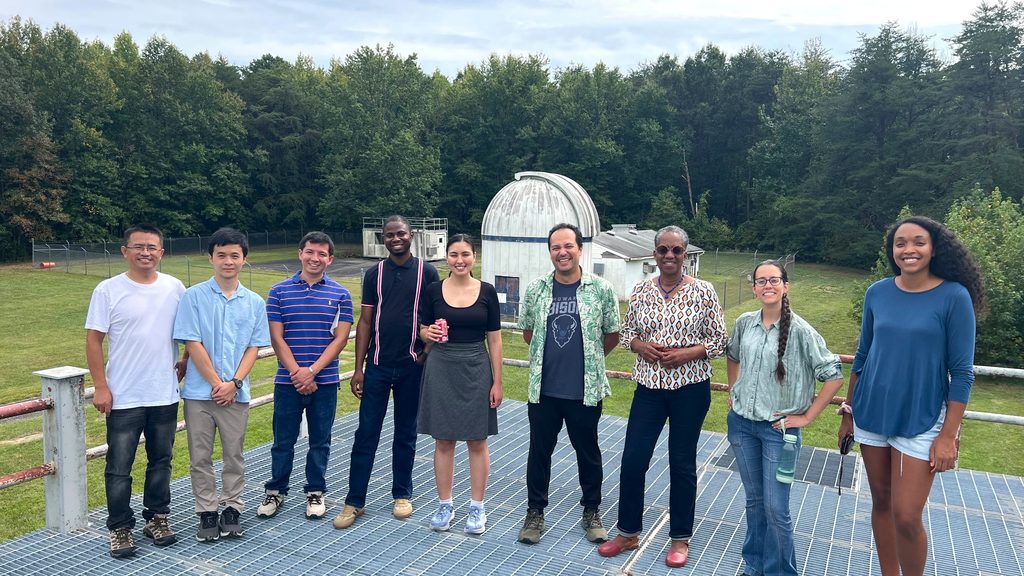
As is tradition, research scientists guided their guests through the many meteorological research sites and instruments located throughout the campus explaining their significance and contributions to the research conducted at HUBC station.
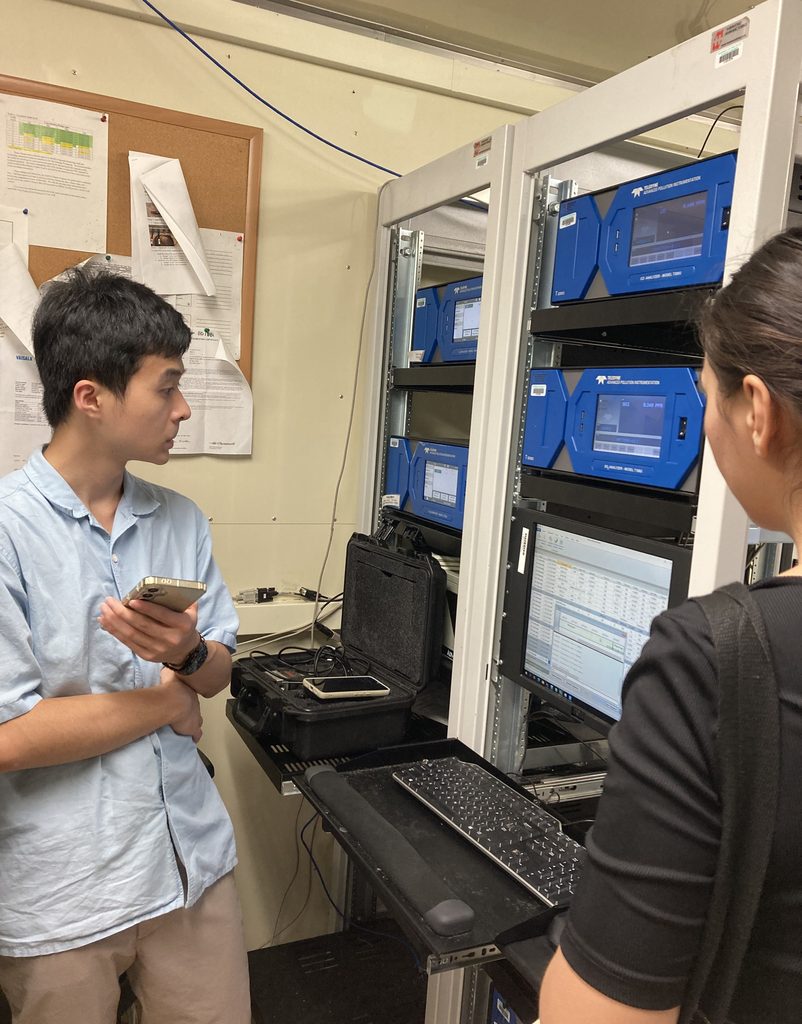
Scientists from the Maryland Department of the Environment (MDE) were conducting measurements at the air-quality monitoring supersite on campus, providing a wonderful opportunity to learn how atmospheric pollution is monitored in real time and how multiple instruments work together to characterize the chemical composition of the atmosphere. Measurements include gases such as, NOx, carbon monoxide (CO), carbon dioxide (CO₂), and ozone (O₃), as well as particulate pollutants, including black carbon, brown carbon, and other air toxics.
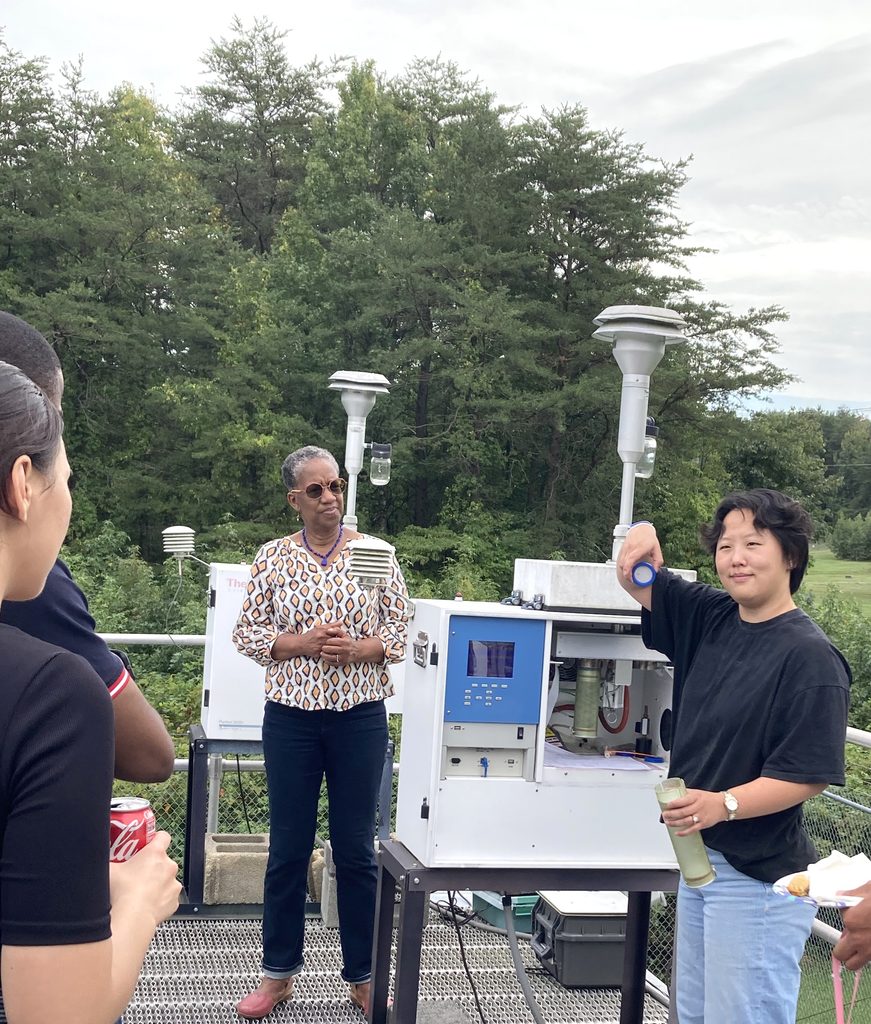
The visit also offered an introduction to Federal Reference Methods (FRMs), standardized monitoring methods approved by the U.S. Environmental Protection Agency (EPA) for measuring specific air pollutants. At the MDE monitoring supersite, MDE scientists demonstrated how these instruments operate and explained how they collect and analyze air samples.
Lastly, no visit to HUBC is completed without a radiosonde balloon launch, which as always is the highlight and most anticipated demonstration of the day. In this occasion the launch reached a height of almost 33 Km into the stratosphere, allowing for meaningful analysis of data representation and an exquisite plethora of questions and discussions from our student group.