Frederick M. Mashao from the Department of Geography and Environmental Studies at the University of Limpopo, South Africa, is the author of the research paper titled “Integrating satellite-based atmospheric soundings and machine learning to
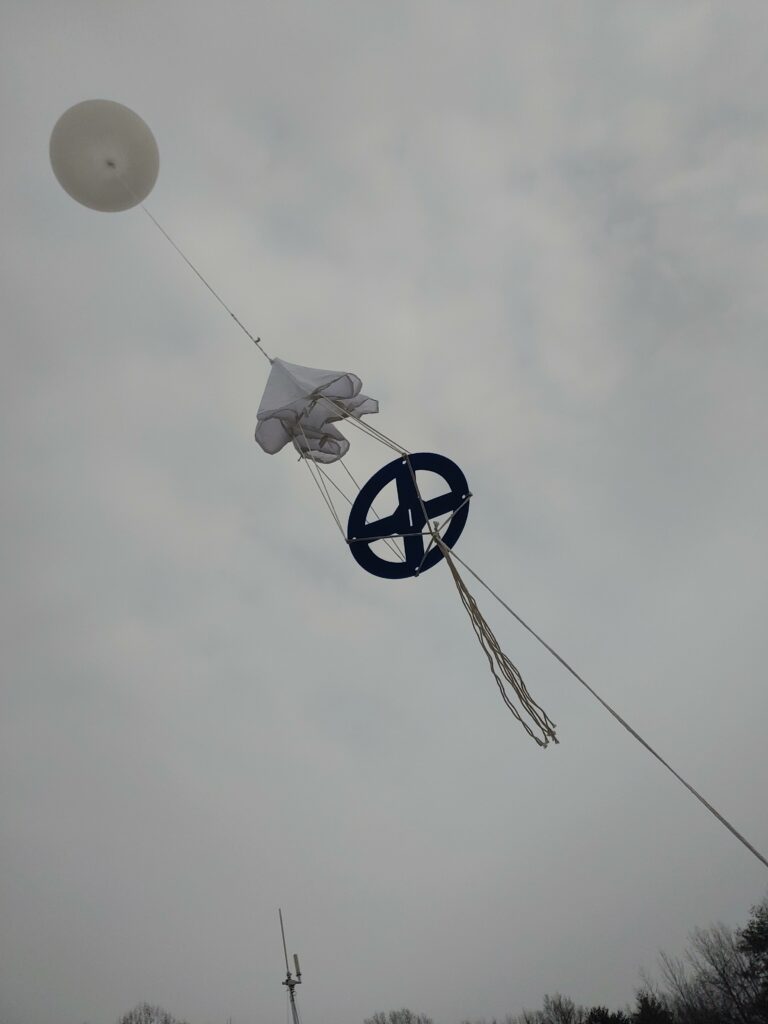
correct radiosonde temperature biases” published under the Journal of Atmospheric and Solar-Terrestrial Physics from ELSEVIER. Mashao used radiosonde data from Howard University Beltsville Campus (HUBC) to conduct this study where most of these radiosondes were launched to target COSMIC-2, Suomi-NPP, and NOAA-20 satellite overpasses. Plus, HUBC is one of the Global Climate Observing System (GCOS) Reference Upper-Air Network (GRUAN) sites with high-quality climate data records from the surface, through the troposphere, and into the stratosphere. Some of the highlights of the paper are radiosonde temperature errors are not random but governed by atmospheric state and radiative processes; a multi-source, machine learning framework (GMM–RF) enables robust bias characterization and correction; sub-1 K accuracy is achieved and independently validated against GRUAN reference observations; and, the approach enhances confidence in temperature profiles for climate monitoring and forecasting. Ricardo Sakai and Belay Demoz are co-authors of this paper and Adrian Flores contribute with the launches for this study.